
Community Stargazers
Supplemental Telescope Guide Resources
The telescopes in this guide are ones used and recommended by Community Stargazers. This is not an exhaustive list. If you have a question about a telescope or want suggestions, please contact us on social media or via email at info@communitystargazers.com.
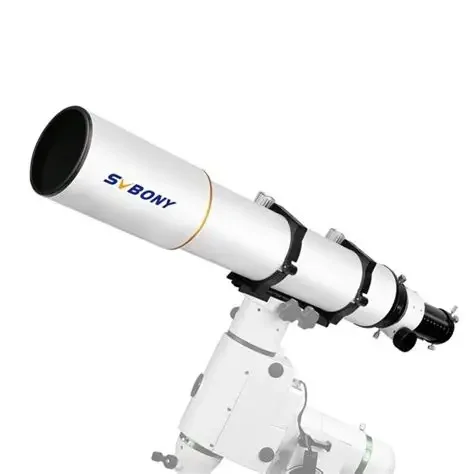
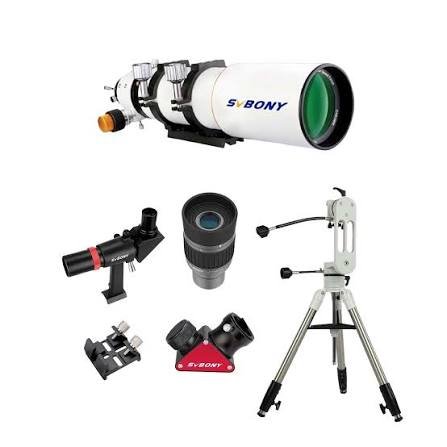
🔭 REFRACTORS — SVBONY SV503 80ED & 102ED
Refractors give crisp, high‑contrast views that are perfect for beginners and experienced observers alike. They excel at lunar and planetary detail, showing sharp crater edges, Jupiter’s cloud bands, and Saturn’s rings with excellent clarity. Their wide fields of view also make them ideal for bright star clusters like the Pleiades and sweeping views of the Milky Way. These scopes are easy to use, require no collimation, and deliver consistently beautiful images.
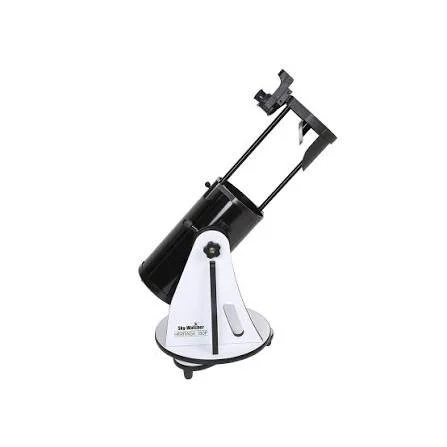
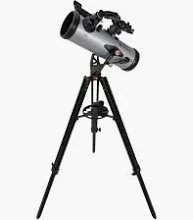
🔭 REFLECTORS—Sky‑Watcher GTi 150P & Celestron NexStar 130SLT
Reflectors offer tremendous light‑gathering power for their size, making them outstanding deep‑sky performers. They reveal galaxies, nebulae, and globular clusters with brightness and detail that smaller refractors can’t match. The GTi 150P and Celestron NexStar 130SLT add Go-To capability for ease of searching, while the Celestron StarSense Explorer LT 114 AZ uses your smart phone to help you locate objects. The now-discontinued Orion StarBlast 4.5 is a compact, friendly reflector perfect for beginners if you can find one. These scopes shine when exploring faint fuzzies and large nebulae.
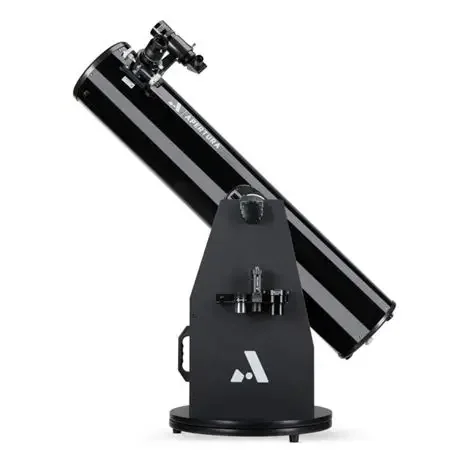
🔭 DOBSONIAN — Apertura 8" Dobsonian
Dobsonians are the kings of visual astronomy. The Apertura 8" Dobsonian provides bright, detailed views of galaxies, nebulae, and star clusters thanks to its large aperture and stable base. It’s intuitive to use, easy to point, and delivers “wow” moments at outreach events. This scope can show structure in galaxies, glowing nebulae with filters, and star clusters that explode with pinpoint stars. It’s an amazing all‑around visual telescope.
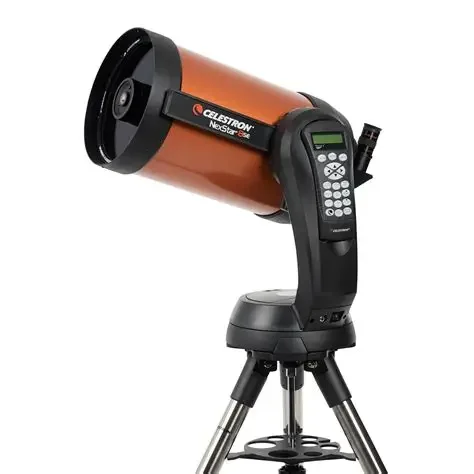
🔭 SCT — Celestron NexStar 8SE
The NexStar 8SE is a high‑magnification powerhouse. Its long focal length makes it ideal for detailed planetary observing — Jupiter’s Great Red Spot, Saturn’s Cassini Division, and Mars’ polar cap all stand out clearly. It also excels at small deep‑sky objects like planetary nebulae and compact galaxies. With Go-To tracking, it’s perfect for groups and families, keeping objects centered while everyone takes a turn at the eyepiece.
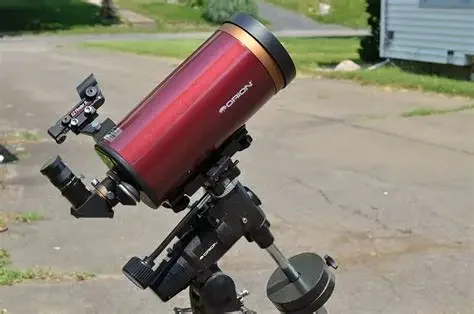
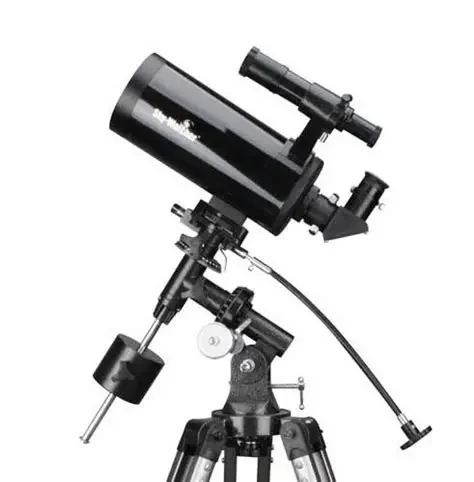
🔭 MAKSUTOV — Orion Apex 127 & Sky‑Watcher 102 Mak
Maksutov‑Cassegrains deliver ultra‑sharp, high‑contrast views that make lunar and planetary observing a joy. These scopes are compact, portable, and require almost no maintenance. They excel at double stars, lunar detail, and bright planetary nebulae like the Ring Nebula. Their narrow field of view makes them less suited for large nebulae, but for precision observing, they’re unbeatable.
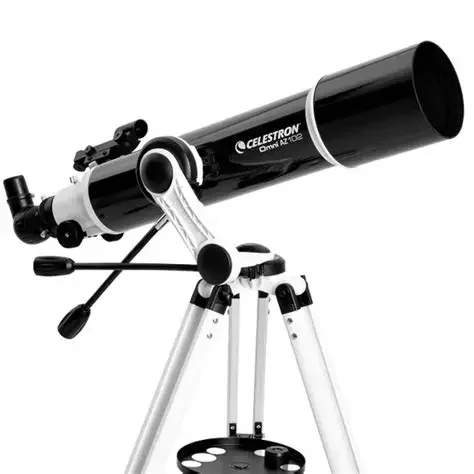
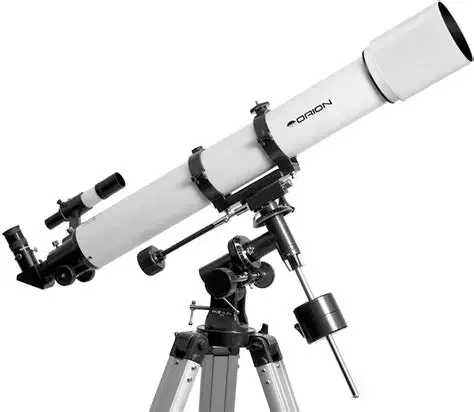
🔭 SMALL REFRACTORS — Orion AstroView 90EQ & Celestron Omni AZ102
Small refractors are perfect for beginners, kids, and those who want a quick setup. They provide wide‑field views of the Moon, bright planets, and star clusters, and they’re extremely easy to operate. The AstroView 90EQ offers a classic equatorial mount experience, while the Celestron Omni AZ102 is lightweight, intuitive, and visually appealing — a great telescope for first‑time observers.
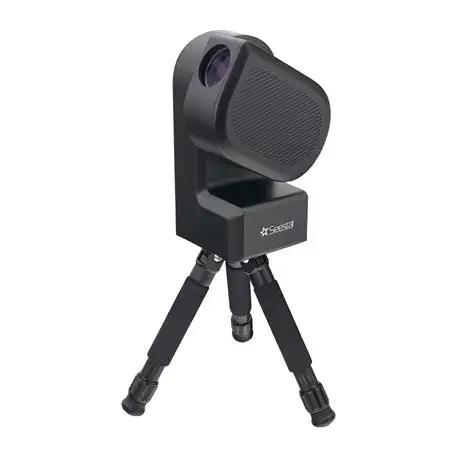
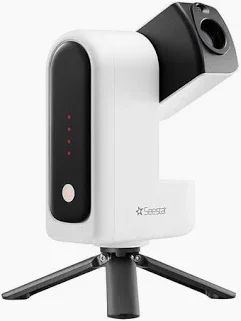
🔭 SMART TELESCOPE — Seestar S50 and S30 Pro
The Seestar S50 and the smaller S30 Pro bring astrophotography to everyone. With automated alignment, tracking, and stacking, smart telescopes like these from ZWO produce beautiful images of nebulae, galaxies, and star clusters with almost no setup time. Users can watch images build in real time. They also capture solar and lunar images safely and easily, as well as terrestrial imaging, making these incredibly versatile.
⭐ QUICK REFERENCE CHART
| Telescope Type | Your Model(s) | Best Targets |
|---|---|---|
| Refractor | SV503 80ED / 102ED | Moon, planets, doubles |
| Reflector | GTi 150P, StarSense 114AZ, StarBlast 4.5 | Galaxies, nebulae |
| Dobsonian | Apertura 8" Dob | Deep sky, clusters |
| SCT | NexStar 8SE | Planets, small DSOs |
| Maksutov | Apex 127, SW 102 Mak | Moon, planets |
| Small Refractor | AstroView 90EQ, Omni AZ102 | Moon, bright objects |
| Smart Scope | Seestar S50, S30 Pro | Nebulae, galaxies, solar |