
These are the moments that define Community Stargazers — neighbors, families, and first‑time observers sharing and discovering the night sky together.
Every event brings new faces, new reactions, and new memories at the eyepiece. This gallery highlights the joy, curiosity, and shared wonder that happen when we bring telescopes into the community.
Community Stargazing Moments
Making and remaking connections
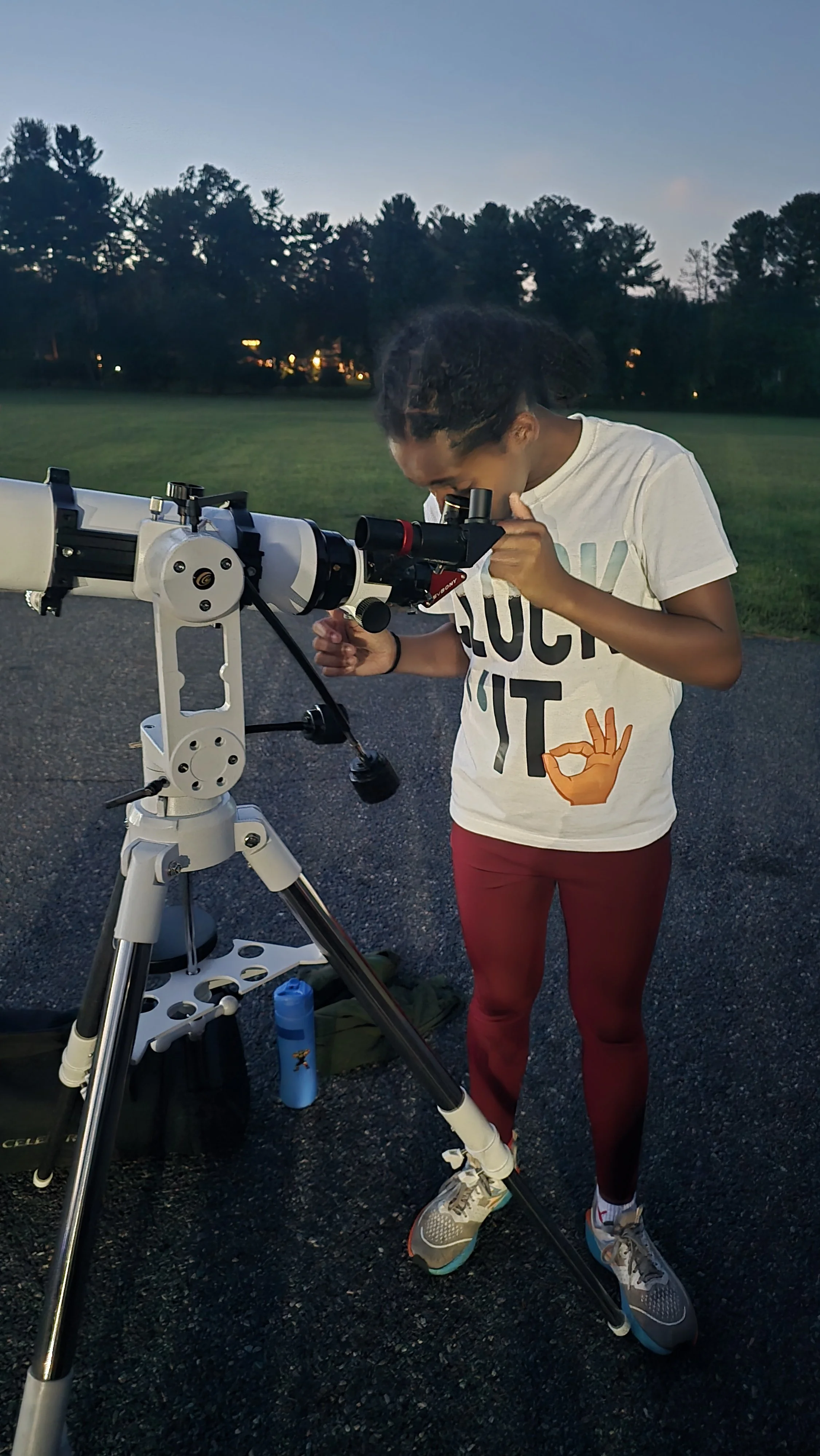
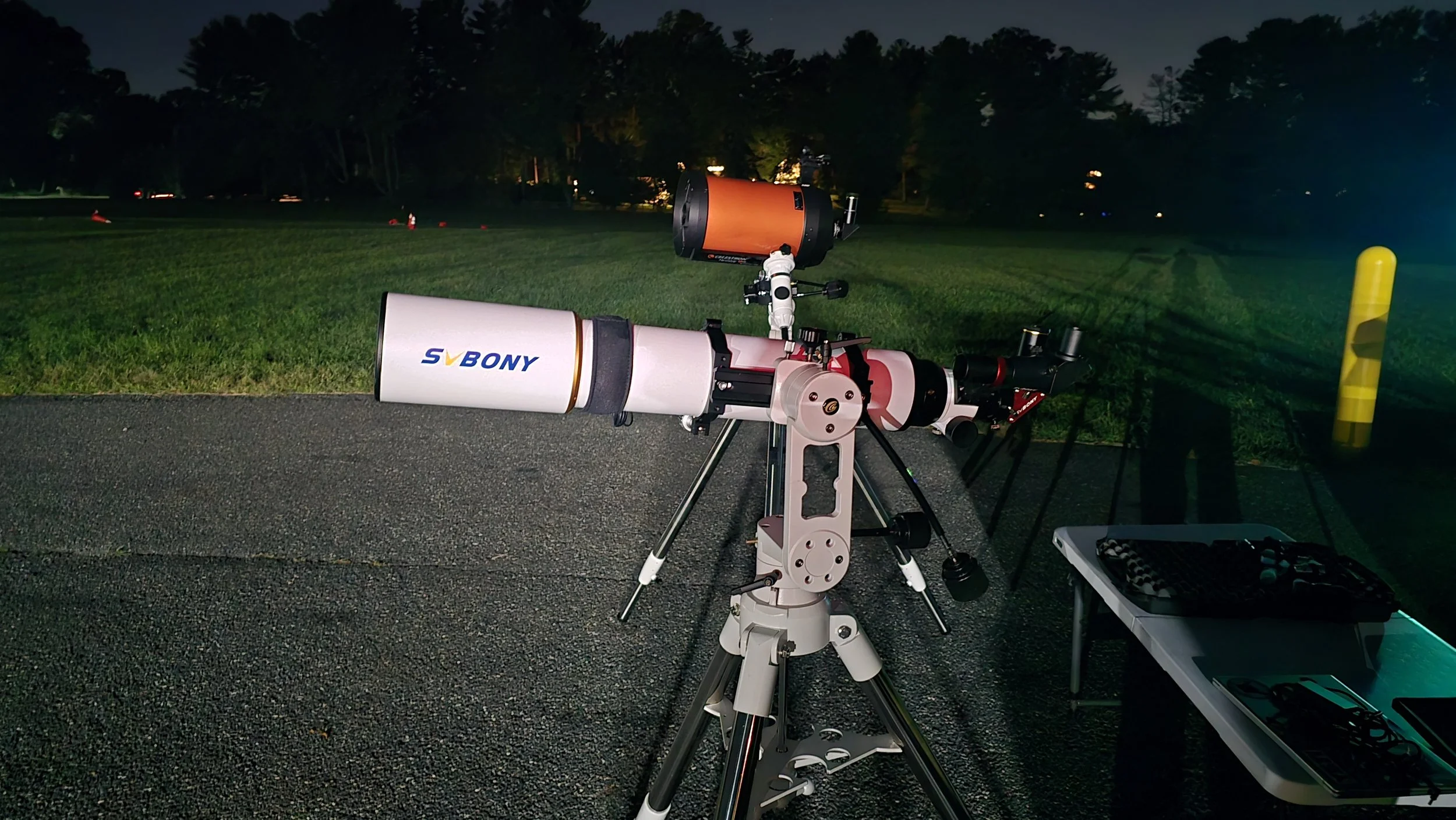
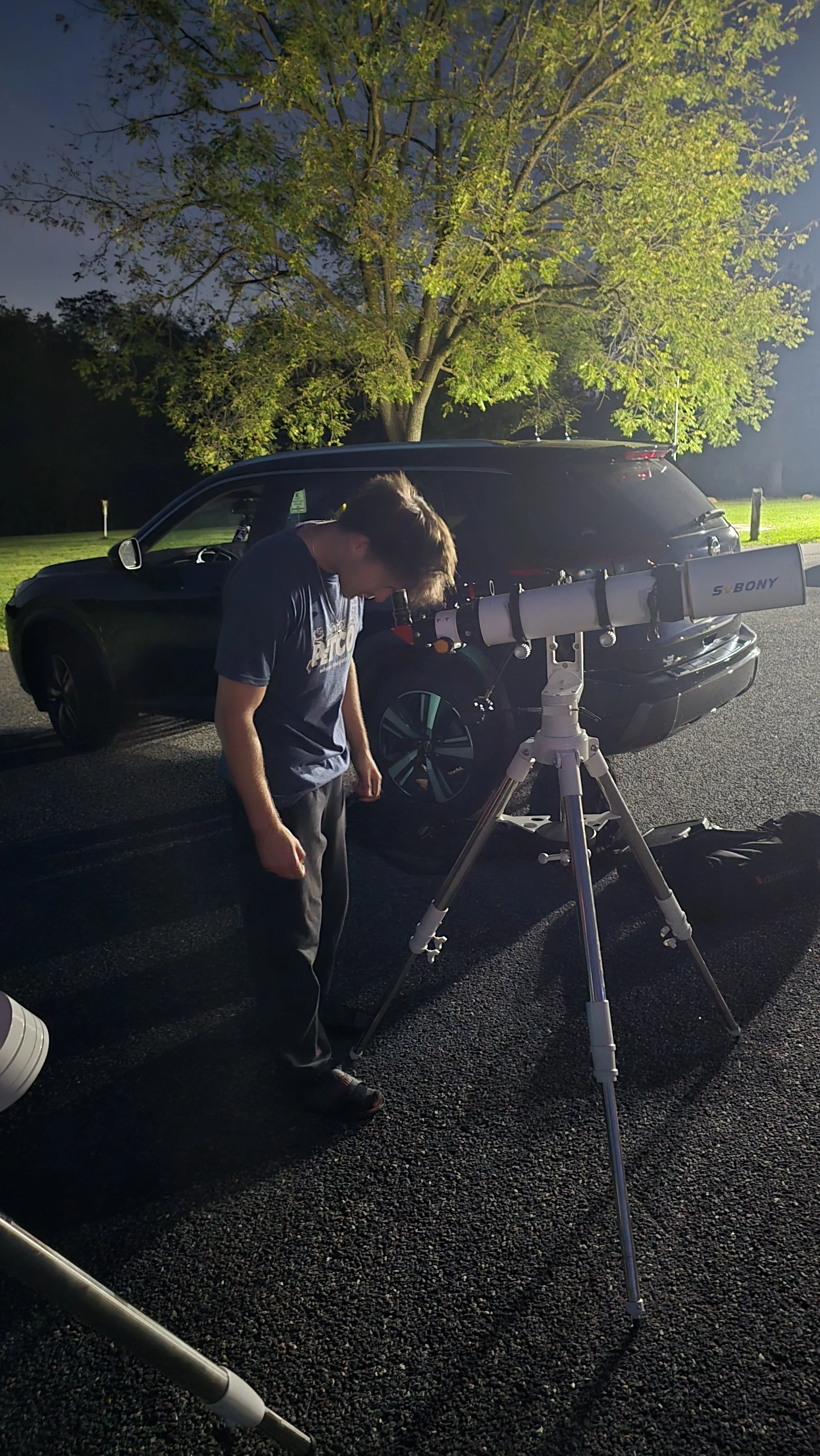
The other night I was out breaking in our new S-CVJ 150 Orion Mak and playing with the 8SE and 102 Svbony. Just as I was setting up I heard voice that I hadn’t heard in ages. It was my old karate student and favorite dance partner, She was at the park with her daughter. It was such a joy to catch up with both. Her children’s hugs at the beginning and end of every class were magic for the soul. And I got one the other night too. I was also able to show the family the moon and Venus through my 102 refractor while I set up. They loved it!
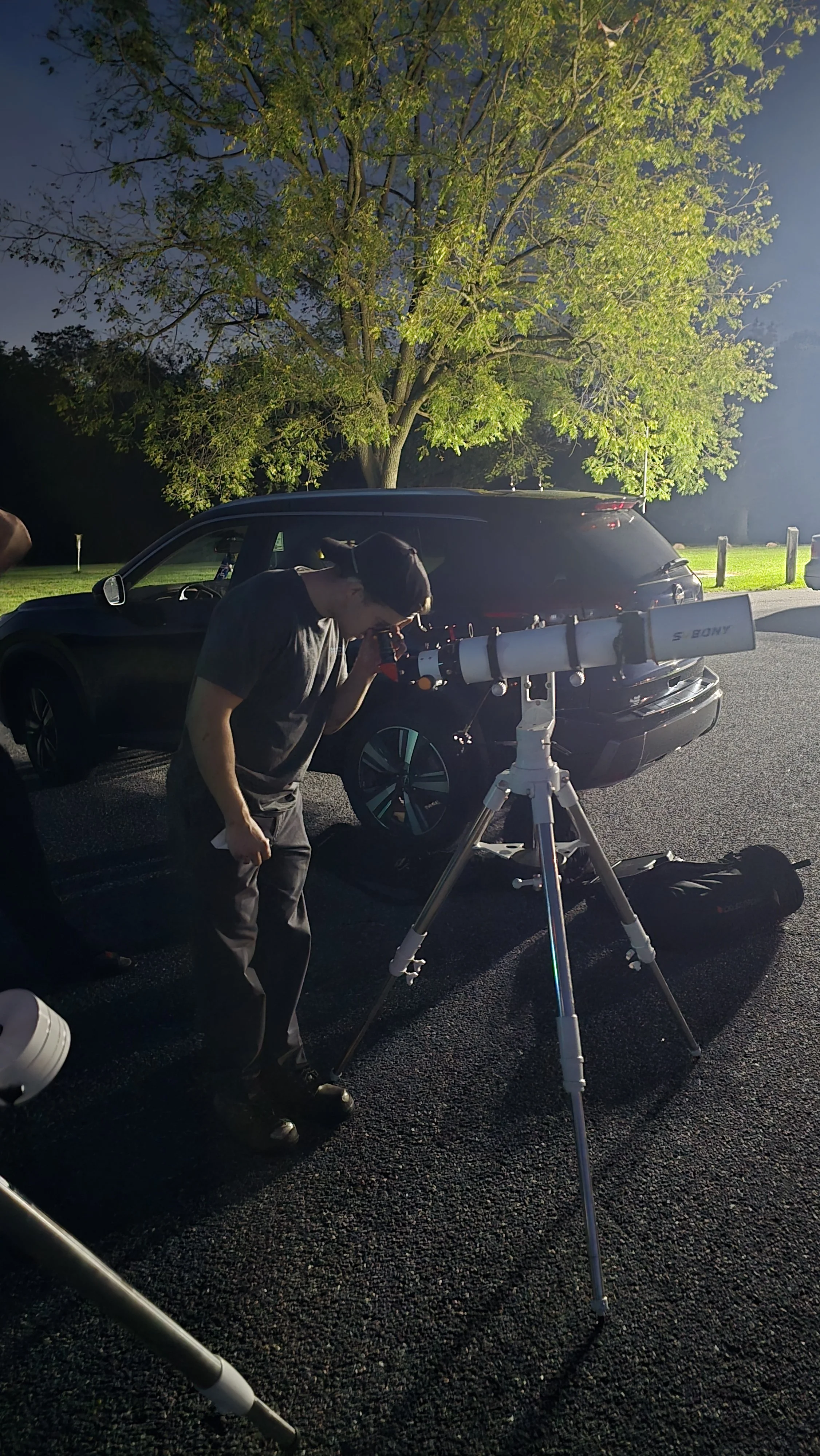
Later, while I was imaging, three 20-something boys were walking through the park. One asked what I was imaging and a conversation ensued. As usual, my imaging stopped and a wonderful conversation about astronomy, astrophotography, trade schools, and life ensued while each took turns at the Mak and Celestron eyepiece. It is these moments that community stargazers was made for.
Supernova - a rare treat!
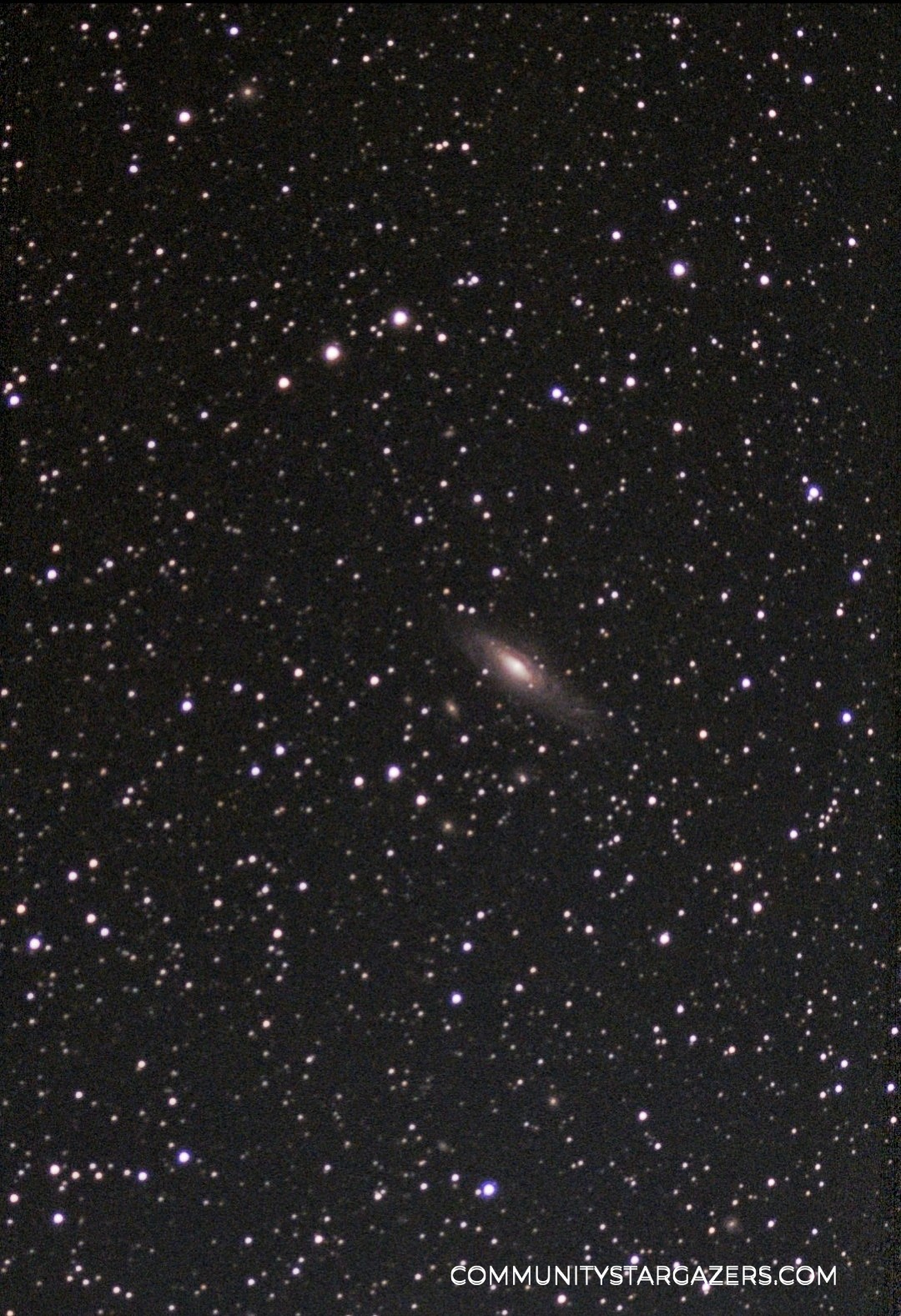
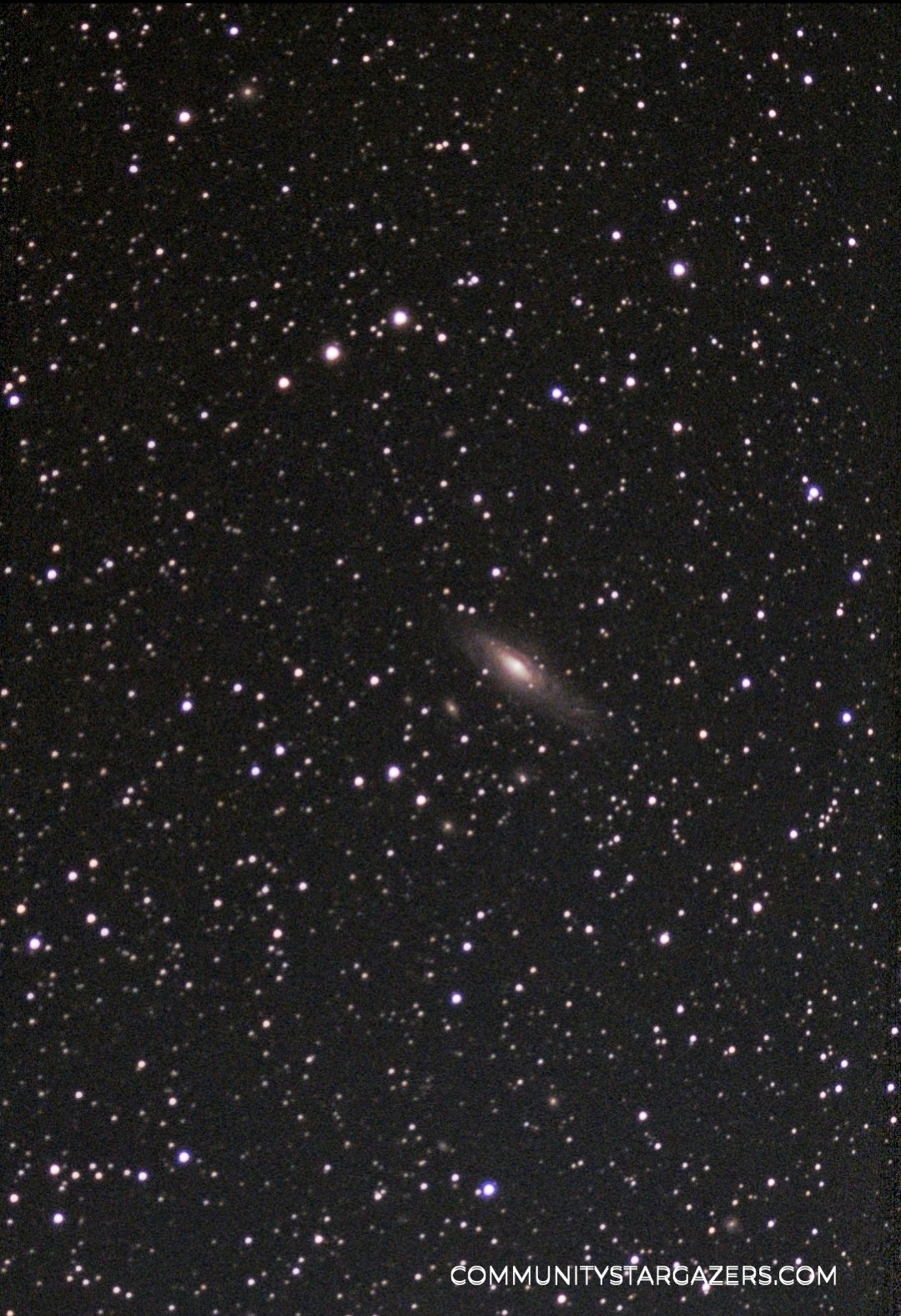
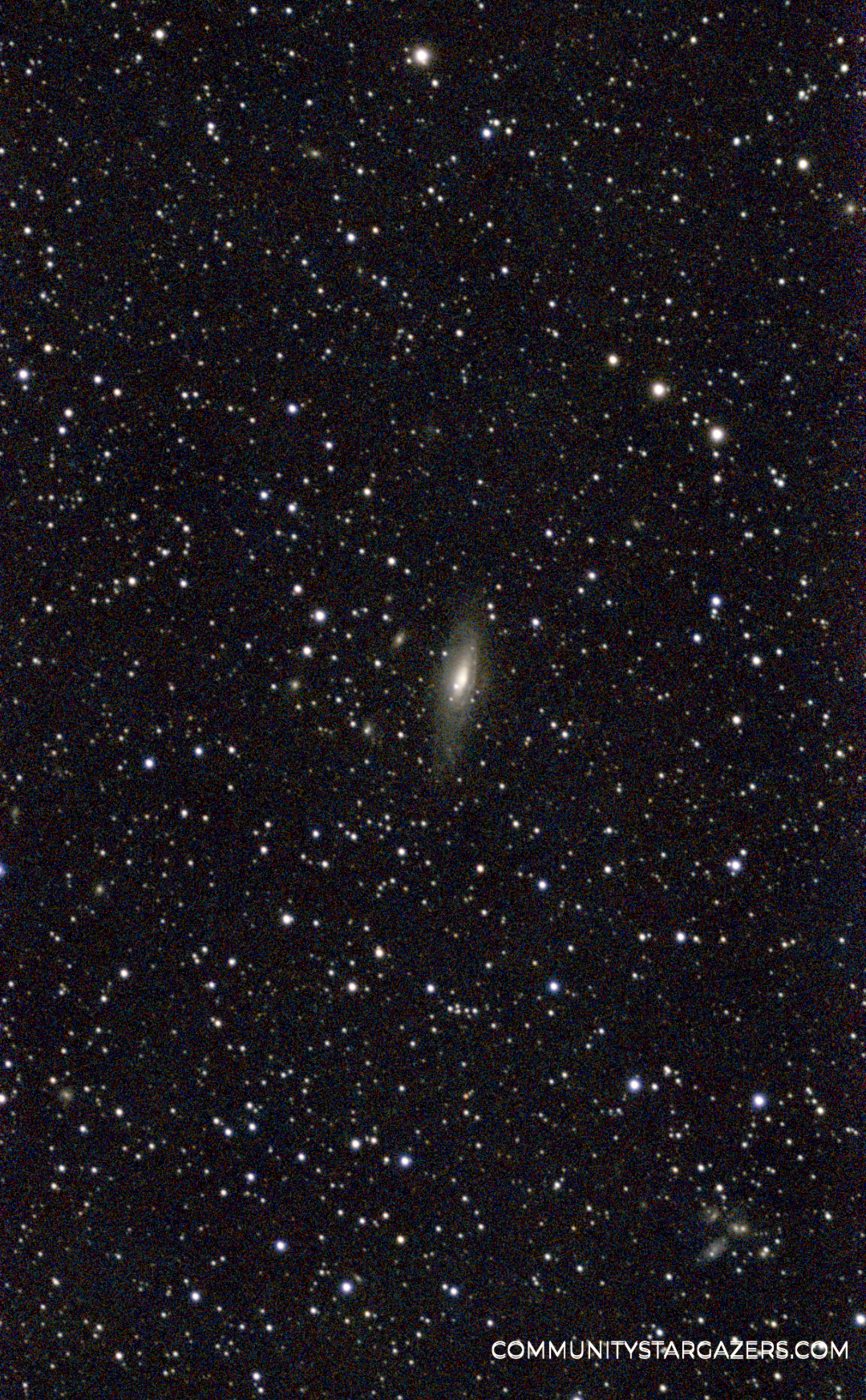
in late-August, 2026 while showing the night sky to some campers, our Seestar S50 captured an image of the Deer Lick Group, consisting of a main galaxy, NGC 7331, which is approximately 45 million light years away, and fainter, smaller galaxies, known as the deer-ticks, that are between 270 and 330 million light years away.
On September 1, 2026 the ATLAS survey first noticed the special occurrence. Supernovas were once considered extremely rare, observed only 1-3 times per century, but with advances in technology they are seen much more frequently. The ATLAS couldn’t miss this celestial wonder.
Supernovas are bright! When the core of a giant star collapses and then explodes the result can outshine the entire galaxy!
Here are before and after pictures of NGC 7331. Can you spot the supernova?
Green Lane Surprise!
Last night was another one of those sessions that reminds me exactly why Community Stargazers exists, and why it is so important.
I had the big NexStar 8SE out, imaging with both the ZWO Seestar and the ASI678MC, and a young couple — Dwayne and Angelina — were close by moon-watching. I asked if they would like to look through my telescope. They jumped at the chance! Within minutes, their curiosity turned into pure awe.
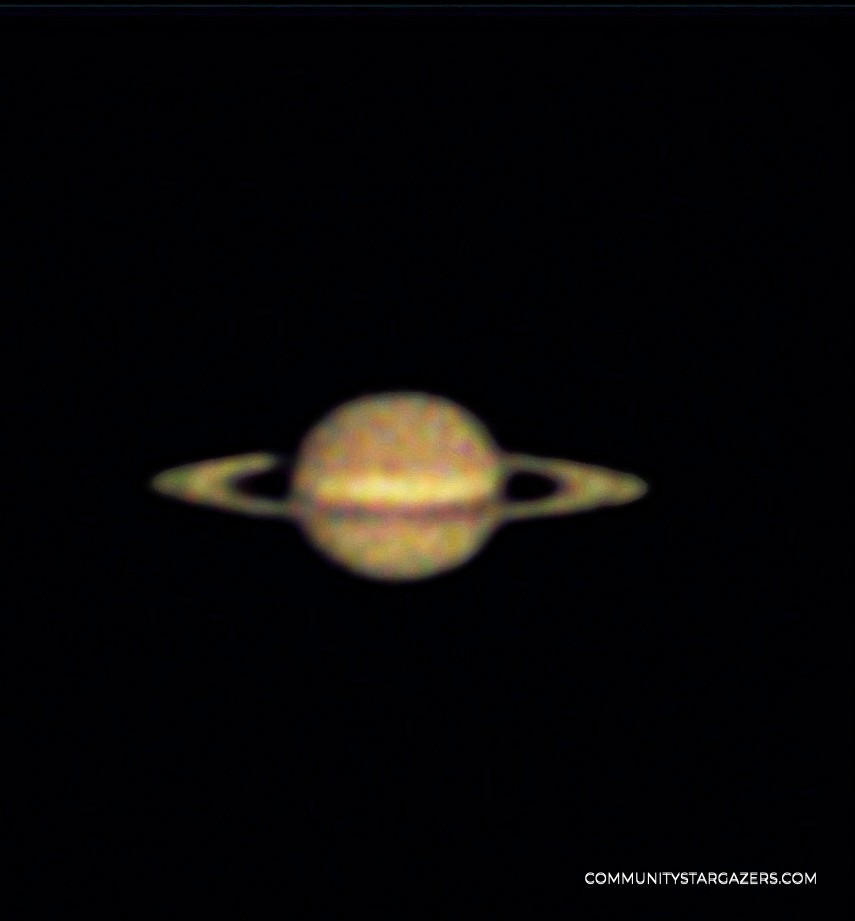
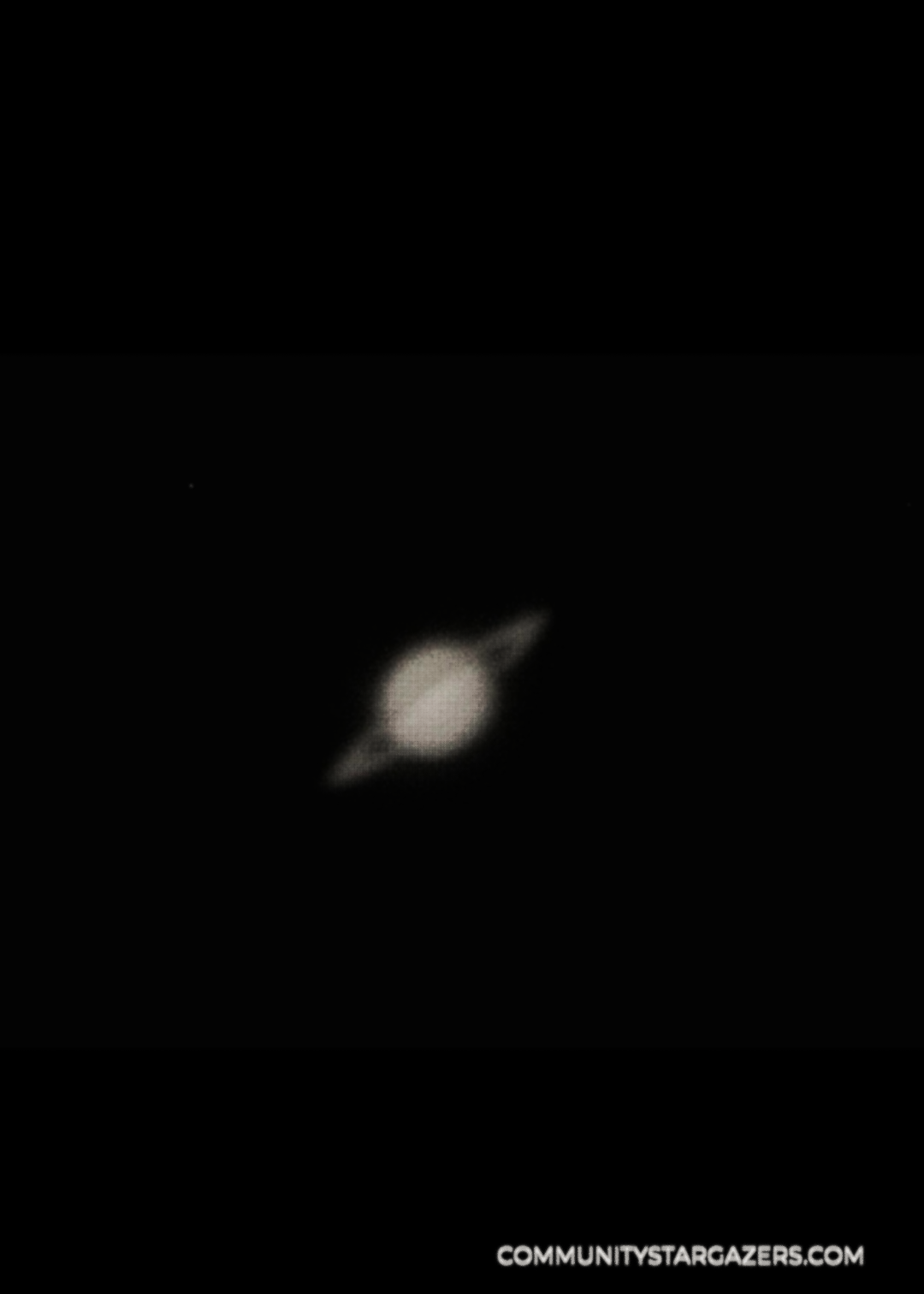
I started them on Saturn with a 20mm eyepiece, then stepped them down to 9mm, 6mm, and finally the 9mm in a 2× Barlow - that’s around 450x magnification! When the rings snapped into focus, they literally gasped. That moment never gets old — seeing someone witness Saturn’s rings for the first time is like watching a door open to the universe.
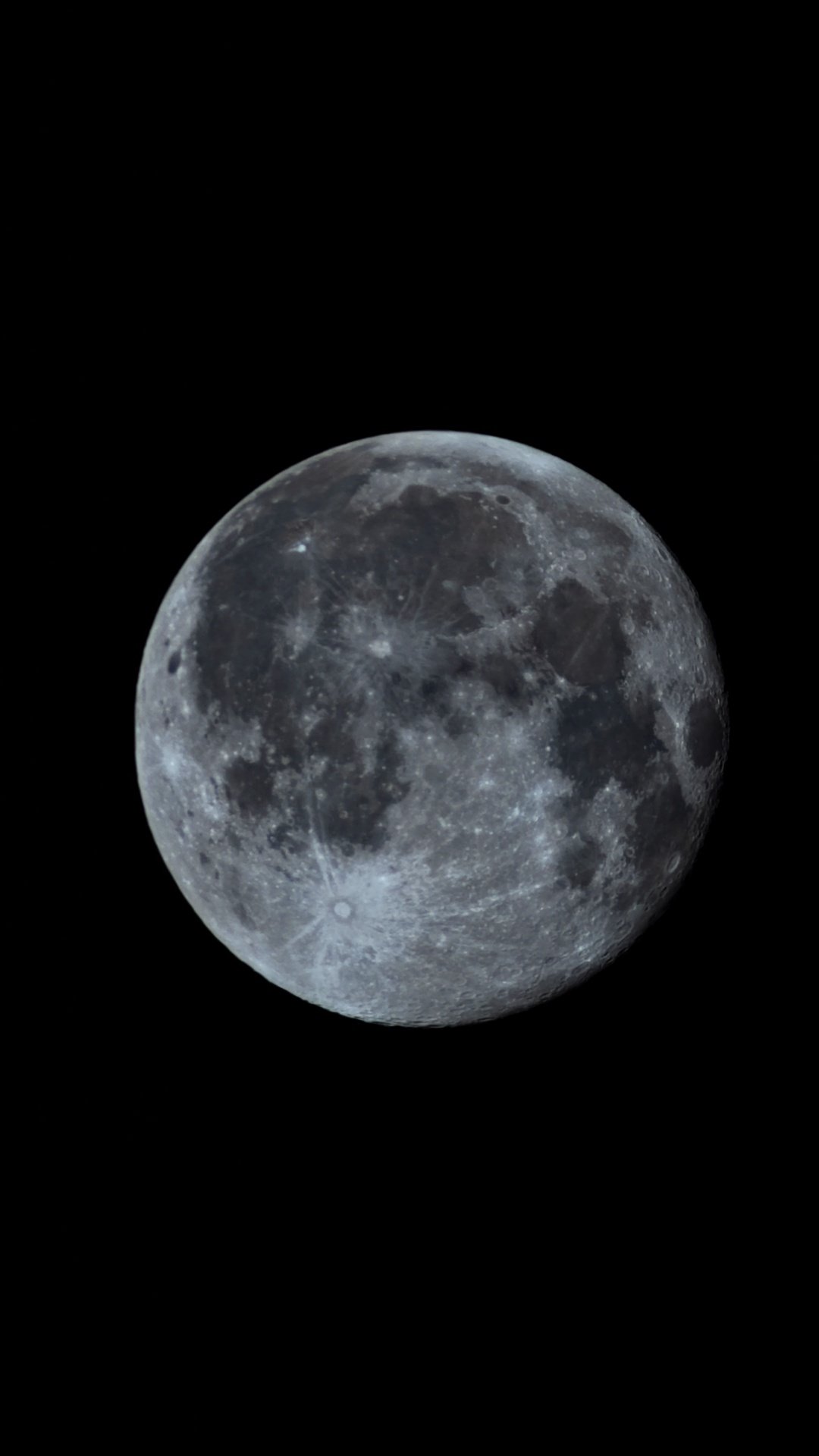
I handed them the 8SE hand controller and encouraged them to find targets themselves. They loved it — the feeling of slewing the scope, watching Saturn return to the eyepiece was magical. When we swung over to the Moon, the blown‑up craters absolutely floored them.
Afterward, I gave them my tablet and let them scroll through the images I’ve captured with the Seestar. They went through every photo, amazed at what a small smart telescope can do. Before they left, they told me it was the best night they’d had all year.
Moments like that — the gasps, the excitement, the hands‑on discovery — that’s what Community Stargazers is all about. Bringing the universe a little closer, one person at a time.
A Community Stargazers Story -
The other night I was out practicing "star hopping". That's where you find otherwise invisible objects by following lines and patterns of stars to guide you to your target. It takes patience and practice.
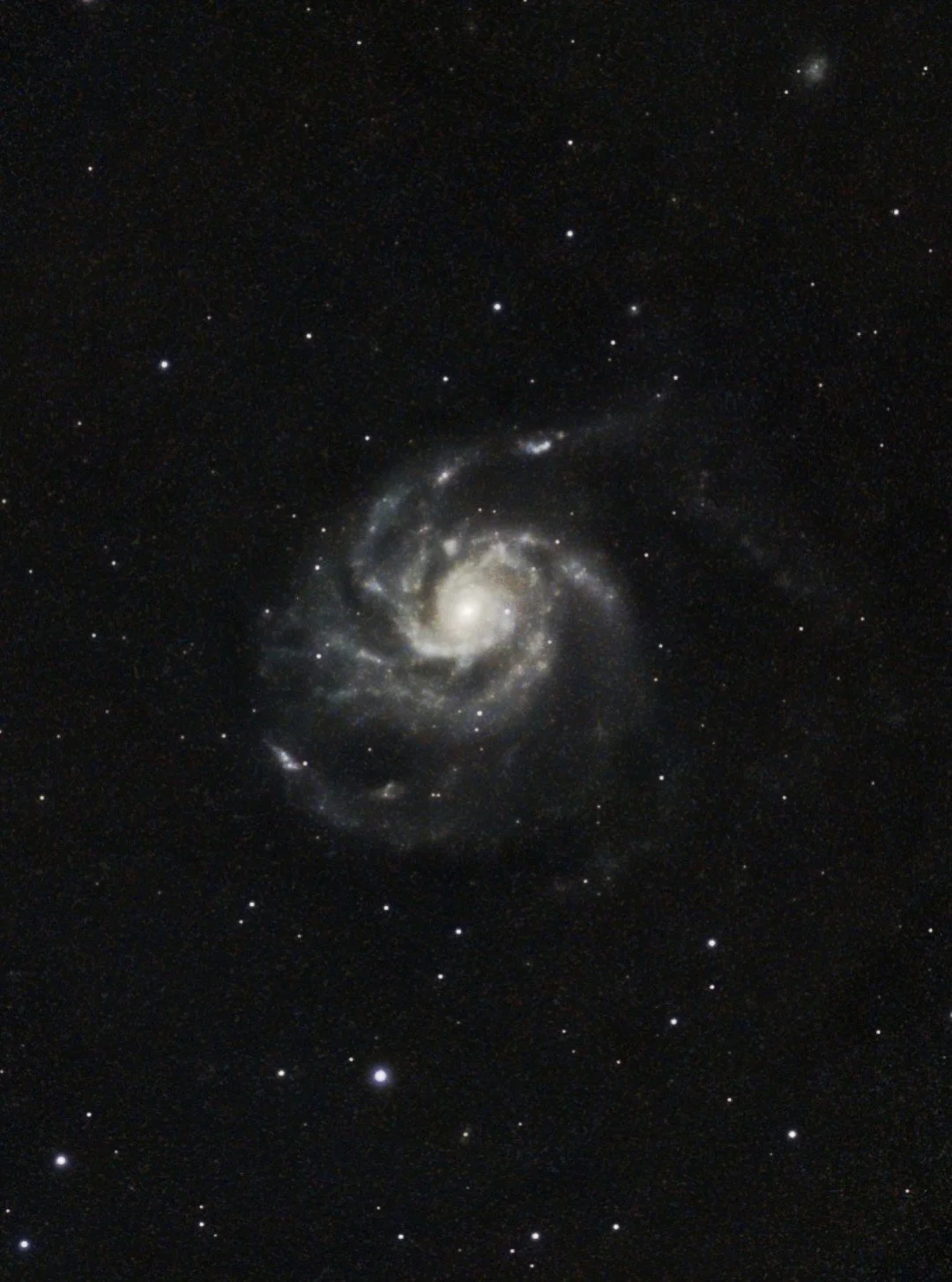
Just as I started, a mom and her two children came up and were curious. At first I explained what I was doing but quickly realized the children weren't terribly interested, so I pivoted. I asked if they would like to see a planet? They lit up! So I swung the Svbony refractor telescope around and found Venus for them - they were in awe!. Then a star far, far away, Vega. The little girl squeaked, and her older brother thought it was so cool! Afterwards, I showed them the the moon with all the craters, and then the galaxy I was imaging on my tablet with the, M101. I invited them to scroll through the pictures of objects I've imaged with the ZWO Seestar S50 . They had the best time! Mom was so grateful. They stayed for 30 or 40 minutes, enjoying the night sky.
I gave them some of the stickers I got from Celestron and gave mom the QR Code to follow Community Stargazers.
I never did get to practice star hopping that night. Instead I got to do something much better: Share the wonders of the universe.
That's why I created Community Stargazers.
That's also what your support helps me do. I'm eternally grateful!
Gone Fishing and Caught Saturn -
Last night while I was practicing star hopping and imaging this incredible galaxy group called the Deer Lick Group, I had the pleasure of meeting this lovely couple Santos and Kimberly from York County, Pa. They were doing some night fishing and saw me with my telescopes. I invited them to take a look at Saturn. They readily agreed and thanked me.
At first I had a 20 mm eyepiece, then blew their minds when I dropped in a 9mm with a 2x barlow lens. That’s 270x magnification. They both were so excited. They had never seen Saturn like that.
Then I handed them the tablet I was using to image the Deer Lick Group. Again they were in awe. They couldn't believe that was in the dark sky above. I gave them the QR code to my website and they logged right on.
Two more community stargazers. This is why I created Community Stargazers: to share the wonders of the universe.
The Apertura 8" Dob was awesome for seeing Saturn up close, and was the Seestar S50 was amazing for seeing the Deer Lick Galaxy Group!

First look at Jupiter (York County, PA)

Seeing Beetleguise up close (York County)

So many wonders to see (York County)
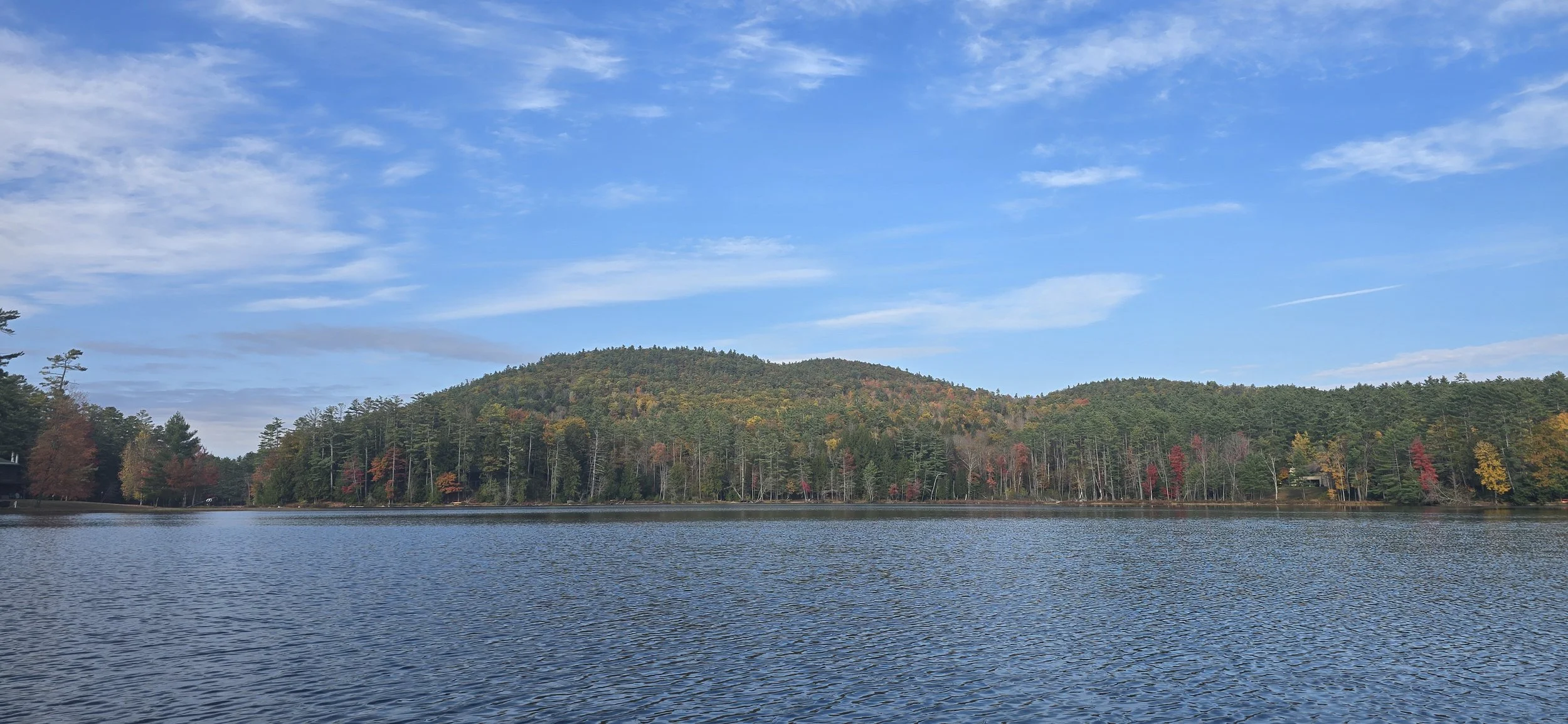
Tripp Pond - Bortle 2 - Adirondack Mountains, NY
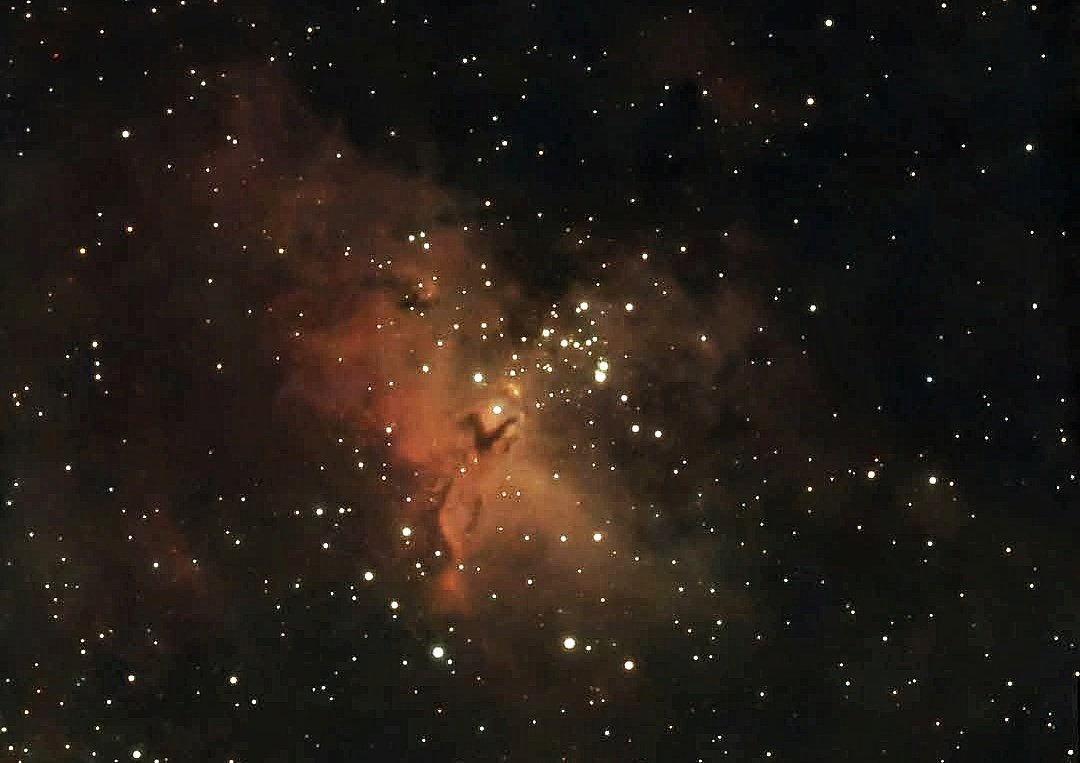
Eagle Nebula from Tripp Pond, NY
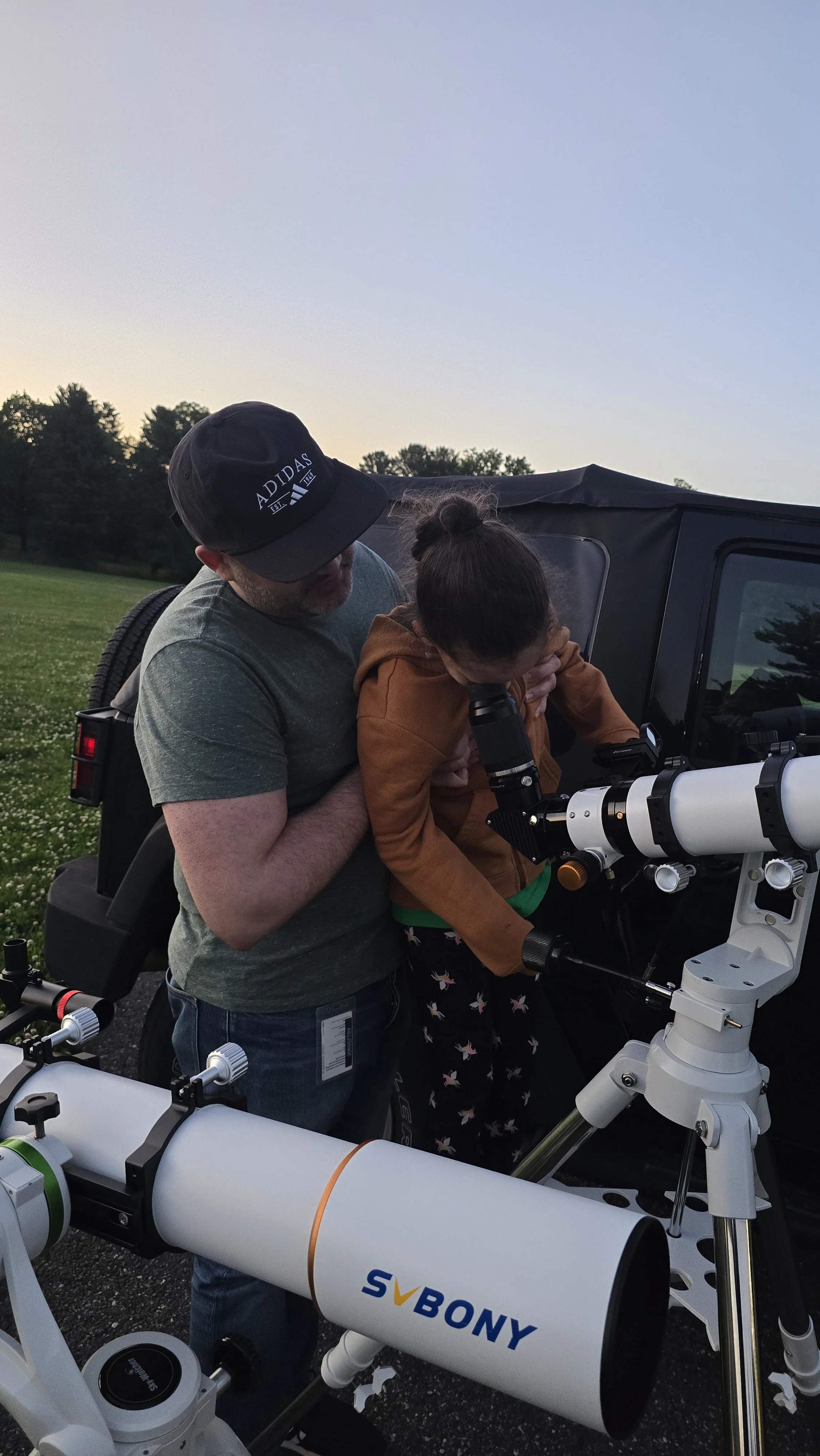
New Community Stargazers! Bob from Delco gives his daughter a lift to see the moon at Rose Tree Park in Media
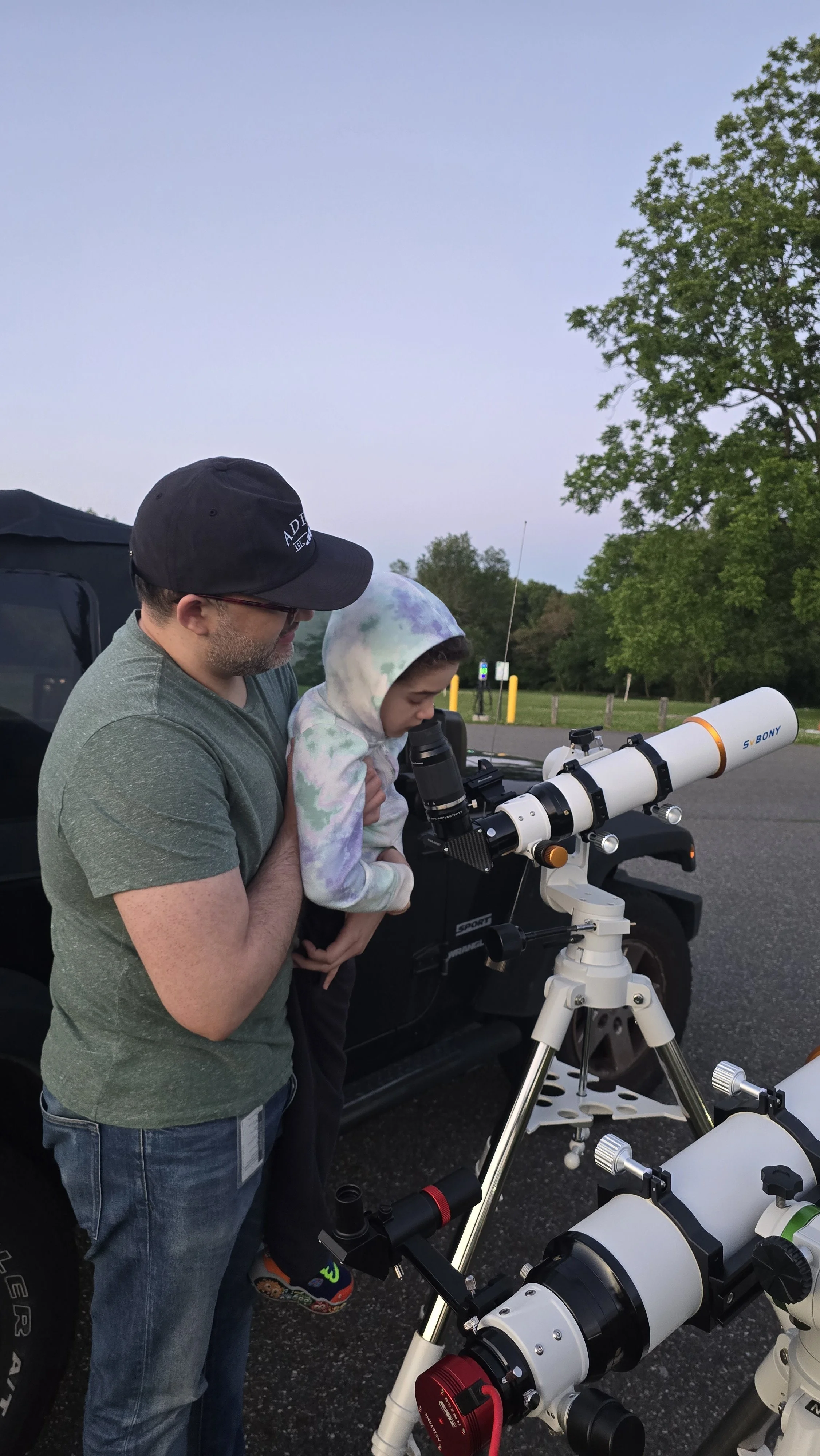
Bob gives his son a lift to take a look too
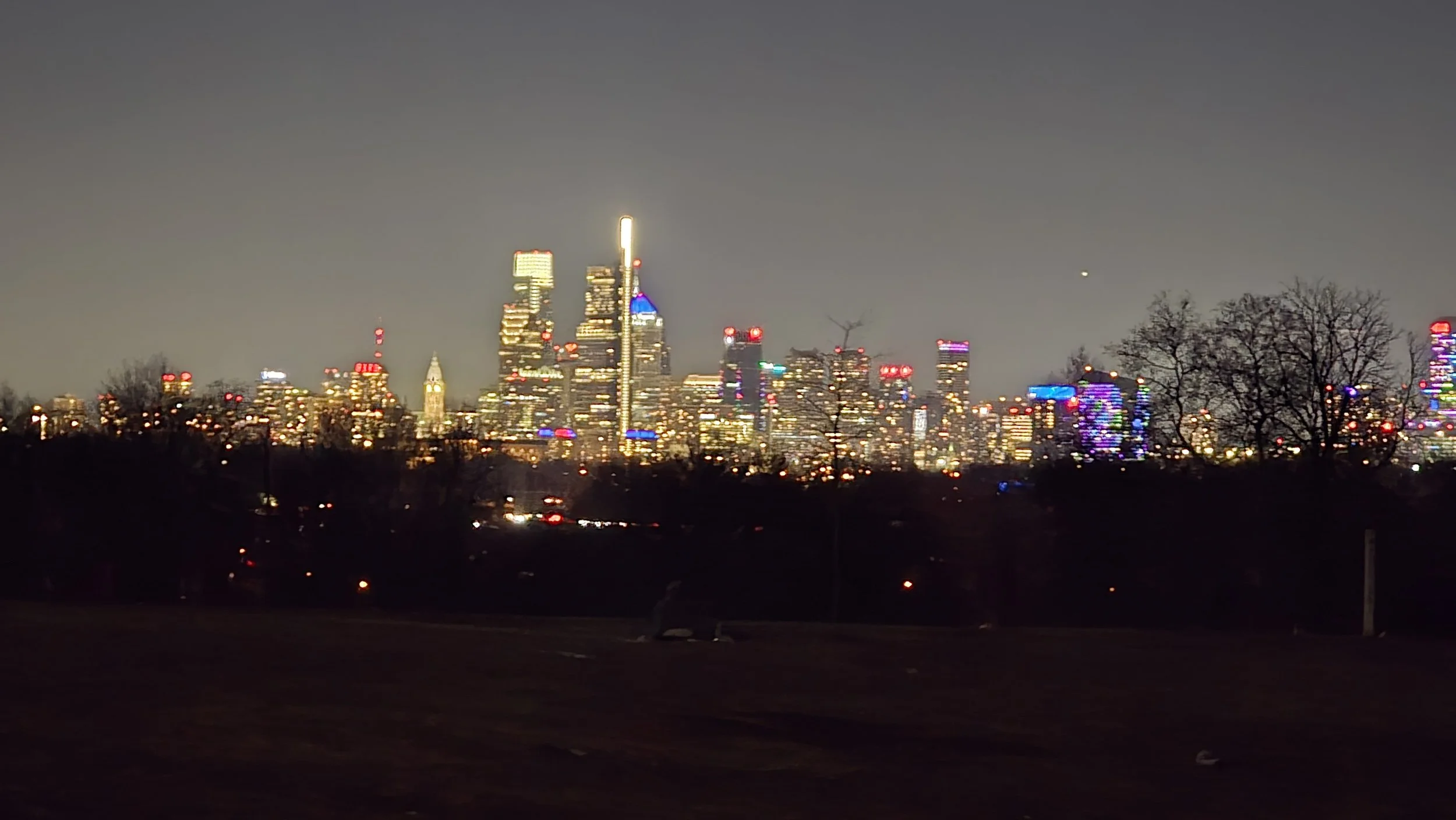
Belmont Plateau - Feb 2026 - Planetary Parade - People are amazed at what you can see with a telescope, even in bright city lights!
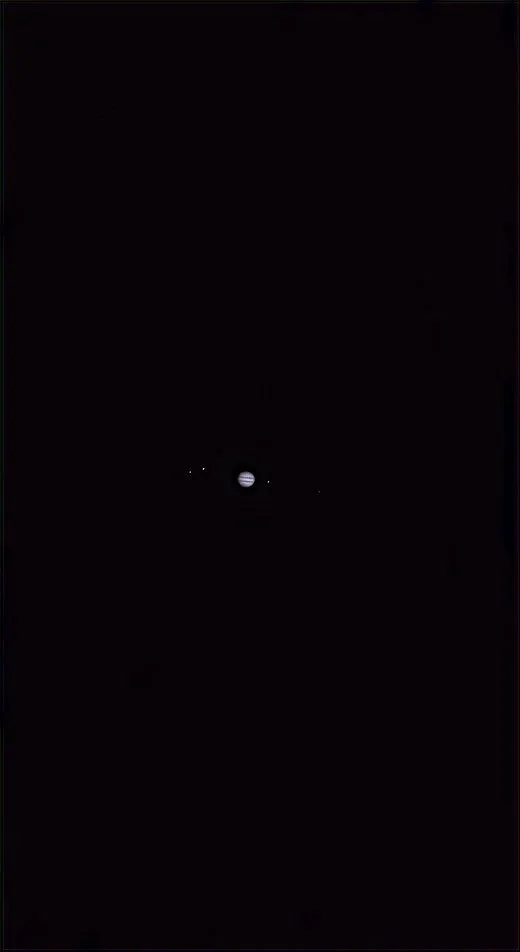
Stargazers got a treat seeing Jupiter and some moons during the Feb 2026 Planetary Parade

Seeing Saturn's rings from Philadelphia was awesome!
Community members gasped at seeing Uranus, over a billion miles away during the Feb 2026 planetary parade
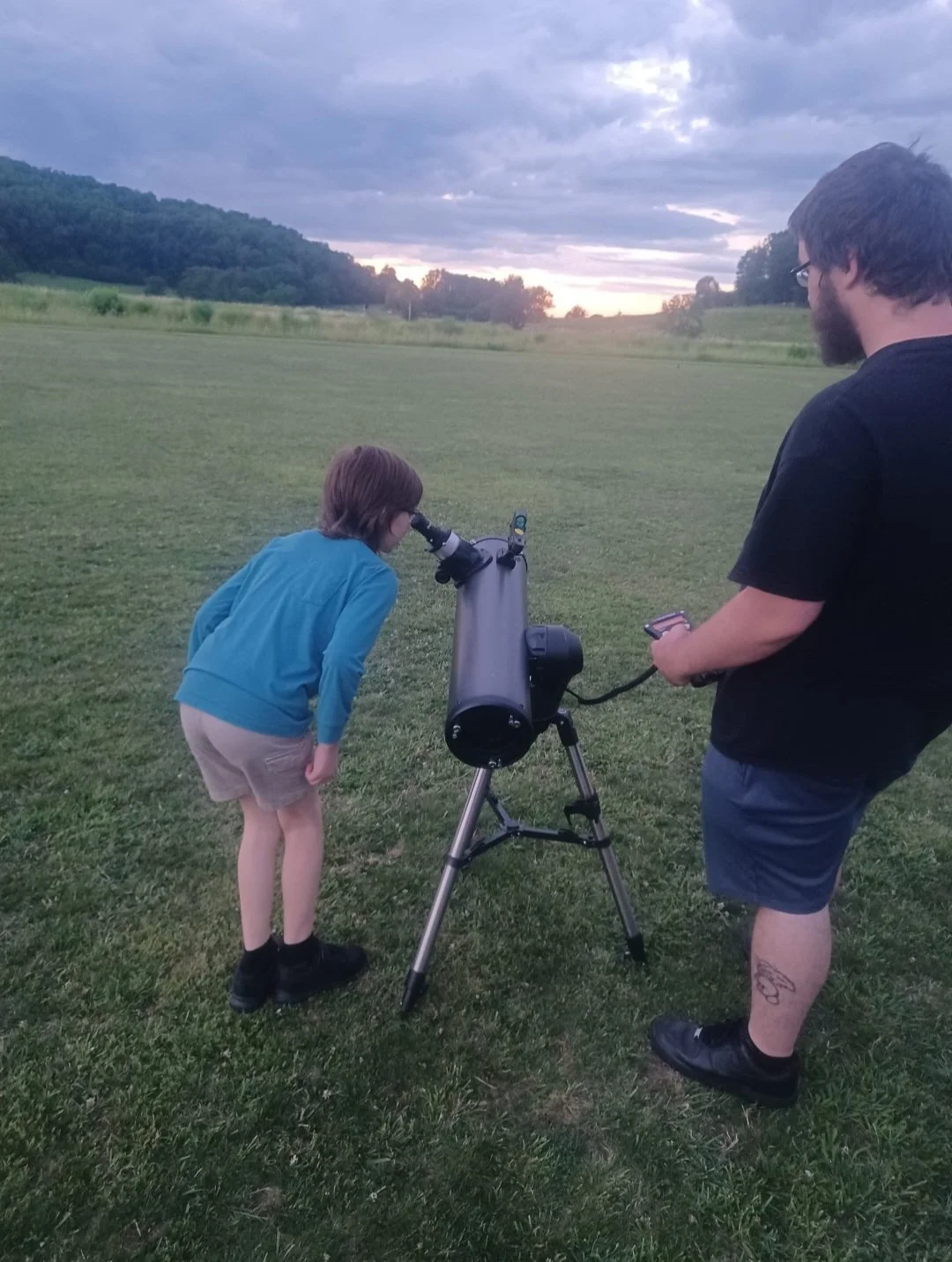
Community Stargazer Ian showing young "Gazer" Vincent the moon and Venus at Valley Forge Park
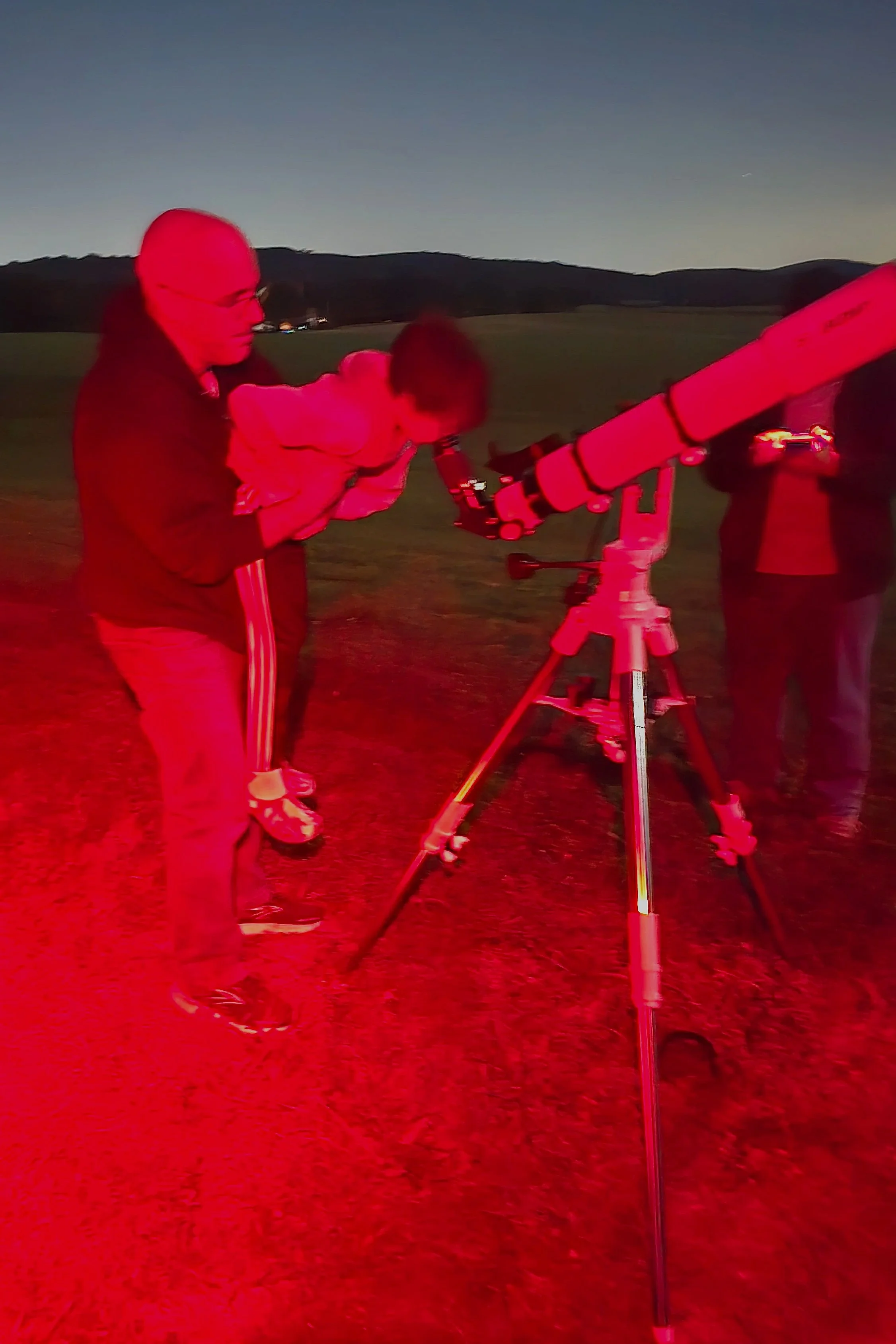
Father giving his son Ben a lift to see the moon at Naylor Observatory
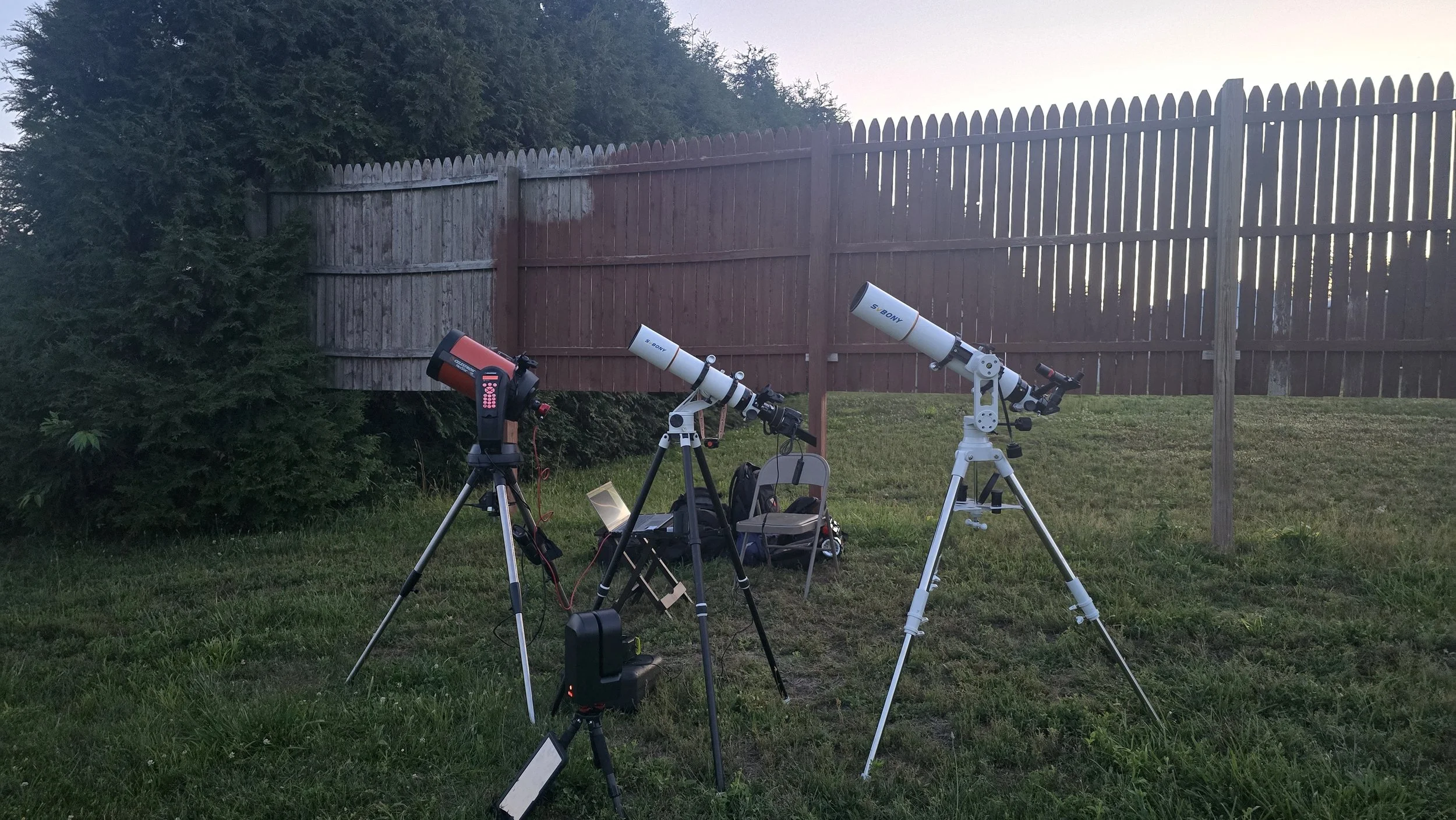
Here are 4 telescopes I brought to the Naylor Observatory: the Nexstar 8se, the Svbony 102 and 80 ED and the Seestar S50
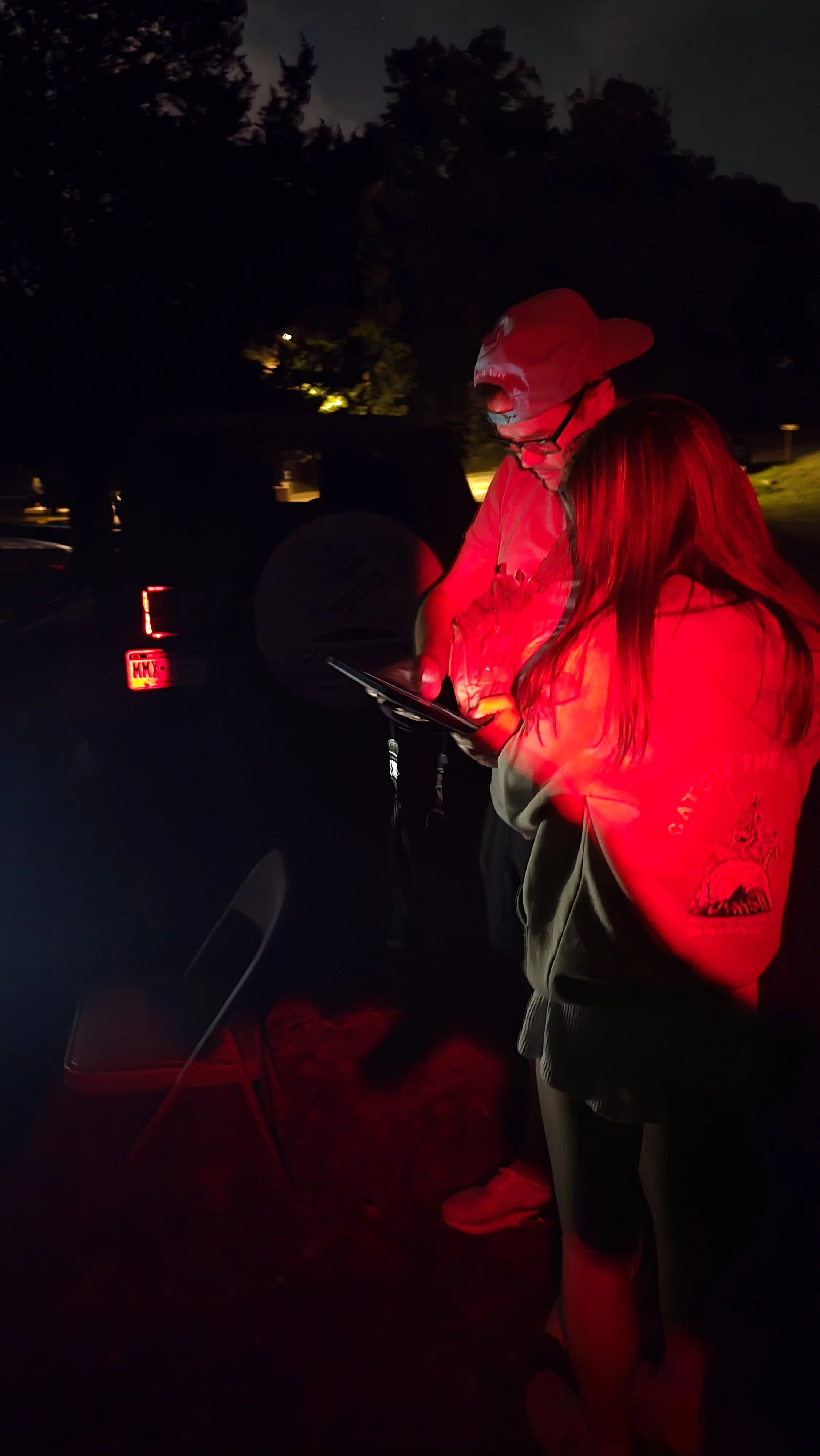
Stargazers from King of Prussia looking at the images captured with my Seestar S50
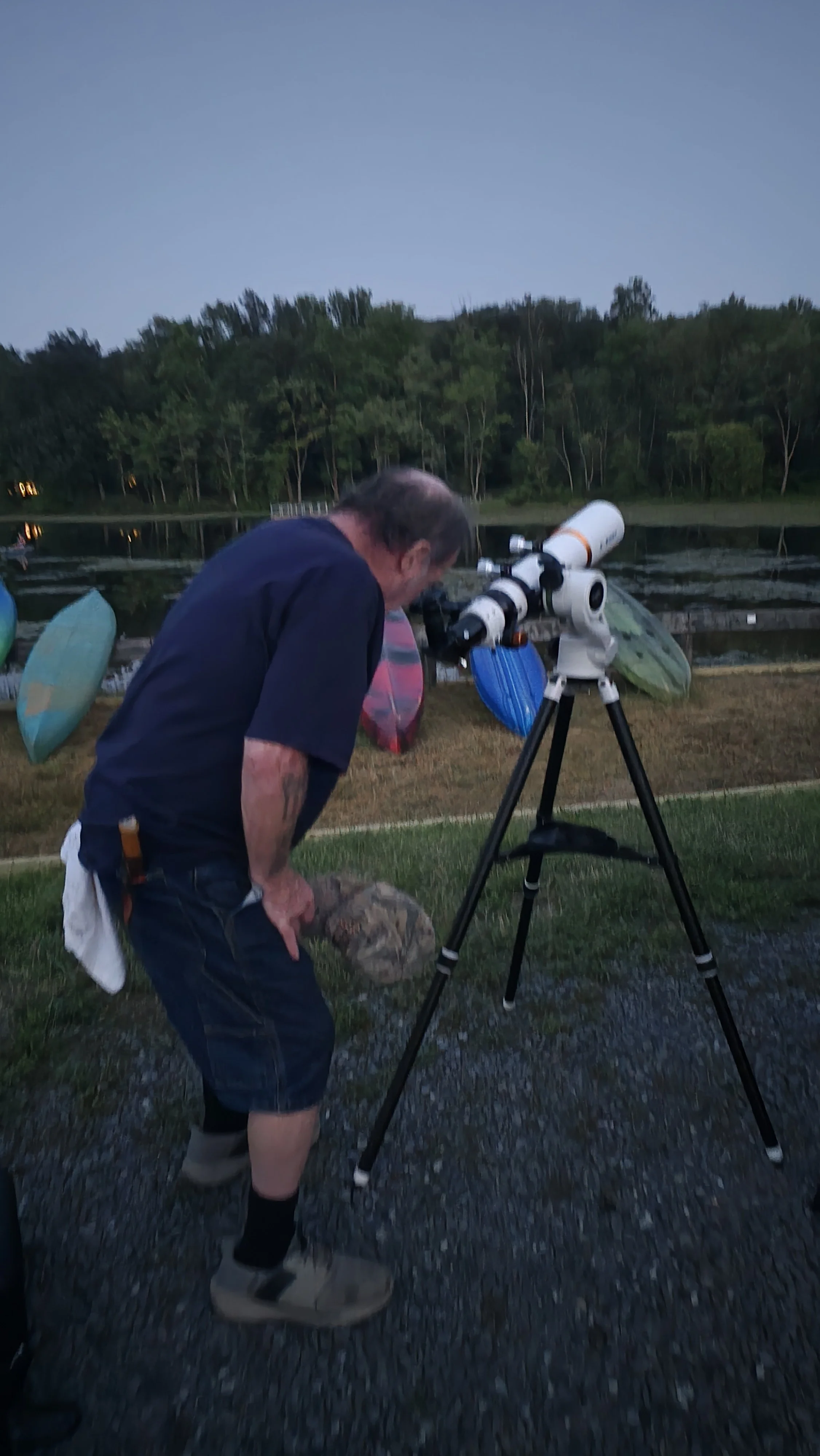
Dan checking out the moon at French Creek State Park on 7-25-26. He stayed to view star clusters and the Trifed Nebula as well